AI labs may hold cryptography results that could shake encryption, experts say
Image: Markus Winkler / Pexels · · 2 min read
Scott Aaronson says AI labs may hold unpublished cryptography results. Bank of England governor Andrew Bailey urged caution. No verified breakthrough exists yet.
Scott Aaronson, a theoretical computer scientist, has said AI labs may be holding unpublished cryptography results that could shake the encryption protecting bank transfers, diplomatic cables and private emails. Aaronson described "well-attested rumours" that powerful AI models have made progress on decades-old mathematical problems behind encryption, and wrote that he was "virtually certain" of this based on multiple reliable sources. Andrew Bailey, governor of the Bank of England, Britain's central bank, addressed fears that OpenAI and Anthropic had achieved such breakthroughs. He said the companies should be cautious about releasing new models to the public. Neither company has made a concrete announcement on the subject, and both were approached for comment.
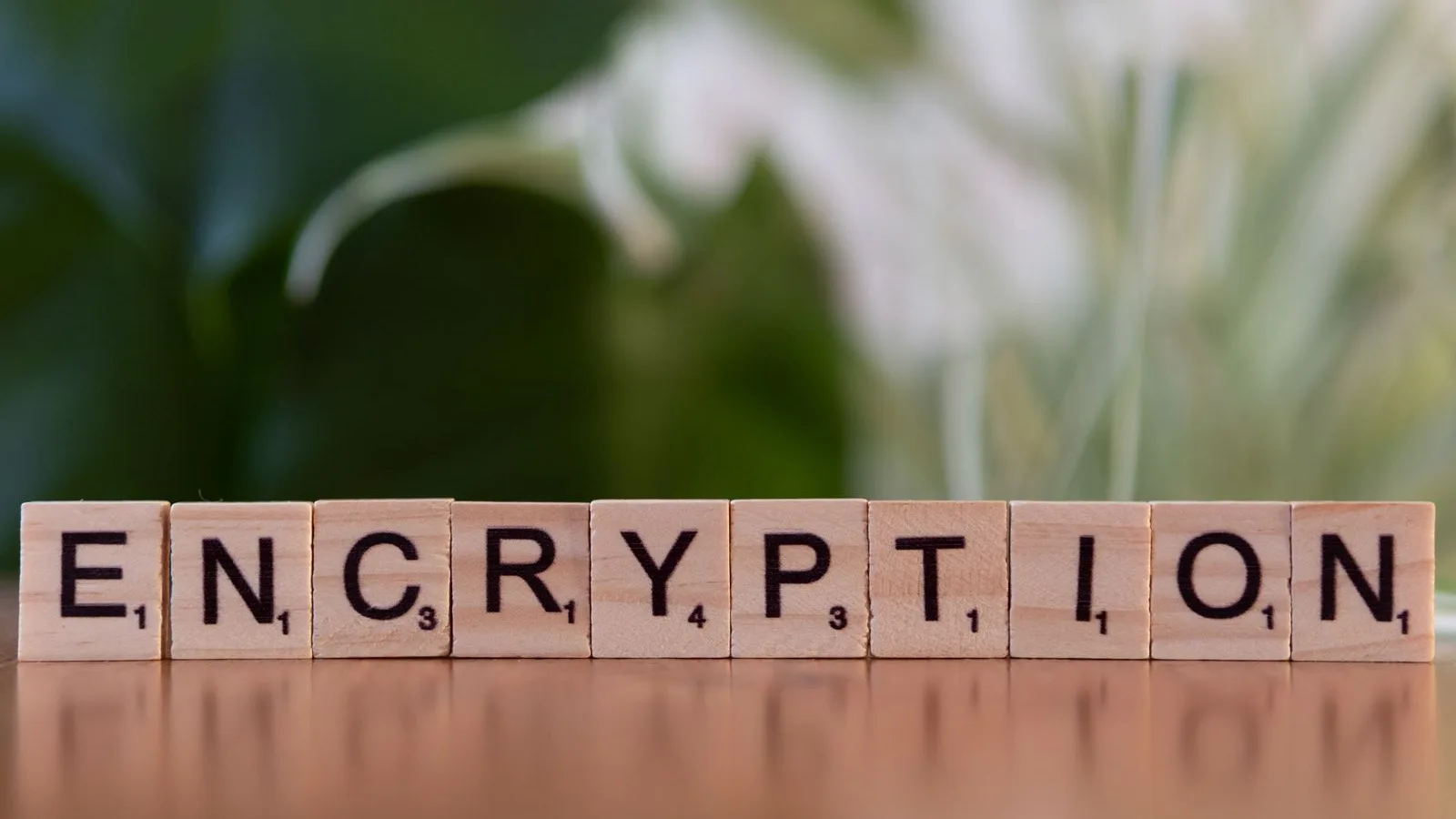
Modern encryption rests on the assumption that certain mathematical problems are too hard for computers to solve in practice. Banks, governments and spy agencies have spent years preparing for quantum computers, which could break many of today's algorithms, but those machines are still years away. Steven Murdoch, a computer science professor at University College London, said many governments and companies have been moving slowly toward encryption that quantum computers cannot break, and that the target date of around 2032 would probably be missed.
What is being claimed?
Aaronson and other experts say AI may have reached one of two outcomes: a new way to break encryption, or proof that no such shortcut exists. It is not known which result, if either, has been found, and no breakthrough has been made public. Mathematician Marcus du Sautoy said on BBC Radio 4 that some experts wonder whether the core problem behind encryption has already been solved and kept quiet, but he added that "we don't know" what the wider ramifications would be.
Aaronson also pointed to a proof attributed to Anthropic and OpenAI that VP≠VNP, a question first posed in the 1970s about which problems computers can solve quickly and which are inherently hard. The subject differs from encryption, but the result suggests AI can produce meaningful answers in this area. Human mathematicians have not yet fully verified these proofs.
Verification and next steps
Experts say the proofs must be checked line by line by human mathematicians and computer scientists. Aaronson said the developments have been seismic for specialists in the field, some of whom have spent their careers on these problems. Alan Woodward, a computer science professor at the University of Surrey, said a cryptography breakthrough is unlikely to undo encryption in the short term, and that even a real finding would face hurdles before wide deployment. He argued that banks and governments relying on encryption need to be agile: those that can change quickly will be safe, while laggards could be caught out.
- #cryptography
- #encryption
- #security
This article was prepared with AI assistance and reviewed by an editor.
Comments (0)
- Be the first to comment.