Chinese intelligence allegedly targeted Nvidia's AI chips and supply chain
Image: NVIDIA · Coolcaesar / Wikimedia Commons (CC BY-SA 4.0) · · 2 min read
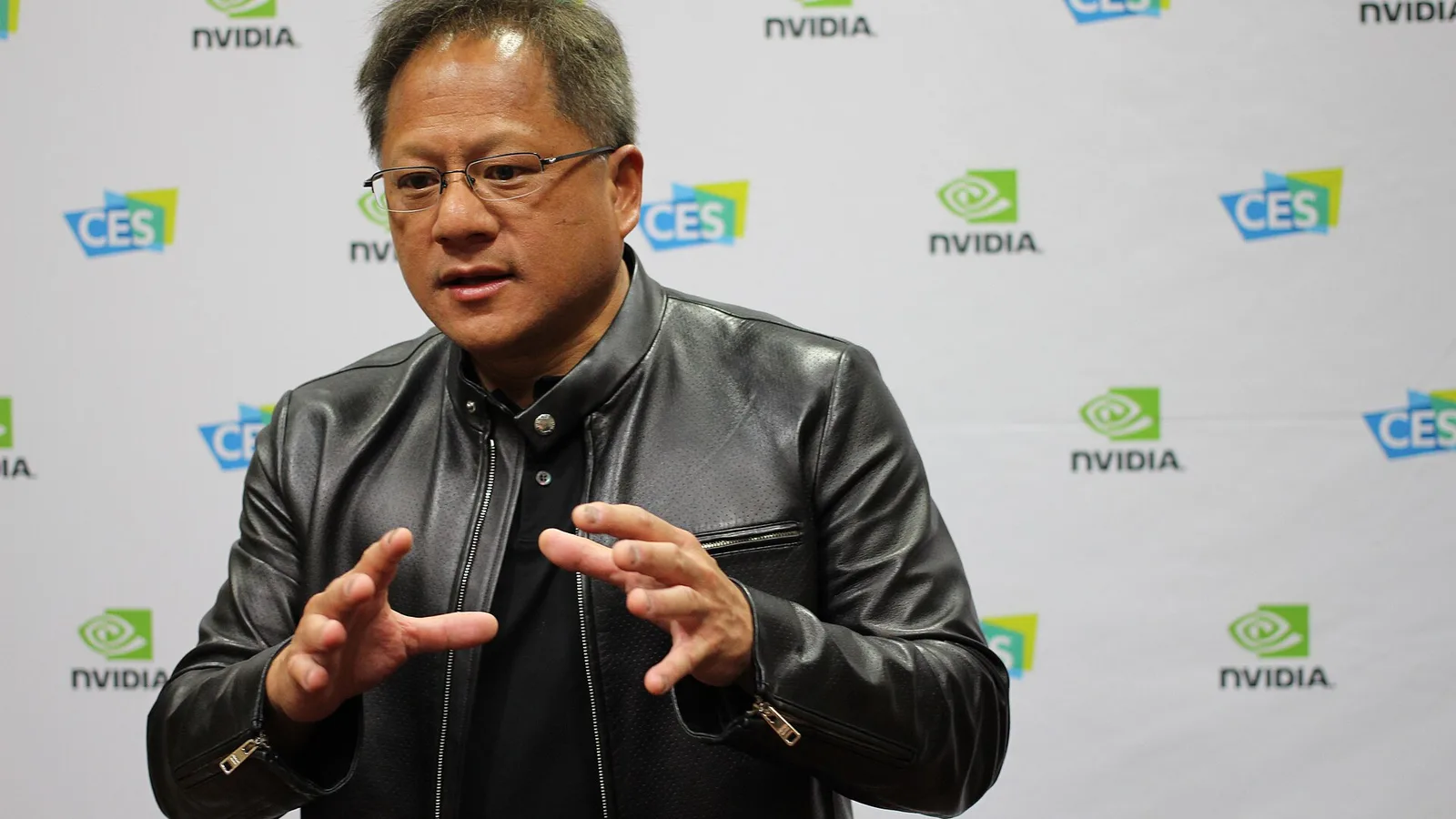
China's Ministry of State Security allegedly ran a campaign targeting Nvidia's AI chips and supply chain. Sources say the board's core concern in Jensen Huang's exit was dishonesty.
China's Ministry of State Security (MSS) has allegedly run a covert campaign for at least two years, according to claims attributed to industry officials, and the effort is said to predate the Nvidia affair by years. Its alleged aim is to help Chinese companies obtain advanced AI chips and to gather intelligence on the sector. That timeline has not been independently confirmed, and neither the Chinese government nor Nvidia has responded to the allegations yet.
The claims say MSS Minister Chen Yixin set up a working team that reports directly to him, tasked with supporting efforts against US export restrictions. The alleged methods include gathering intelligence on Chinese companies' supply chains, procuring advanced chips and smuggling them into China.
What the board says drove Huang's exit
New details about Jensen Huang's departure suggest that the board's central concern was not his personal conduct alone but his candor. According to people familiar with the board's private discussions, directors asked Huang in October 2025 about Alice Huang, who had worked at Singapore-based data center company Megaspeed, after reporting on Nvidia's unusually close business ties with that firm. Huang reportedly denied any inappropriate relationship at the time. Sources say the board later concluded that he had been lying over roughly a year, and that this was the primary reason for his ouster.
Whether Alice Huang was acting as a Chinese intelligence asset could not be determined at the time, the sources say. China's Ministry of Foreign Affairs has rejected the spy allegations. On November 8, the board announced an independent investigation after reports that its CEO had been the target of a foreign intelligence effort.
Reaction inside the company is mixed. Some employees feel the board moved too quickly and suspect Huang may have been the victim of a coordinated campaign. Interim CEO Colette Kress addressed the employees' biggest worry, the falling share price, by moving up pay raises, but made no commitment to share the results of the investigation.
Huang's departure has also brought shareholder lawsuits and calls from US government offices. Several agencies have asked what the former CEO may have known about Nvidia chips reaching China, and general counsel Tim Teter has reportedly been called to Washington to testify.
Why it matters
The allegations raise questions about how effectively AI chip export controls work and how well chipmakers can track their supply chains. A senior executive's exit tied to a national security inquiry could also set a governance precedent for the industry. Still, much of the reporting relies on anonymous sources, and most of the claims have not been officially confirmed. Official statements and the outcome of the board's investigation are worth watching closely.
- #nvidia
- #china
- #export controls
- #ai chips
This article was prepared with AI assistance and reviewed by an editor.
Comments (0)
- Be the first to comment.