US FCC approves SpaceX plan for up to 1 million AI satellites in orbit
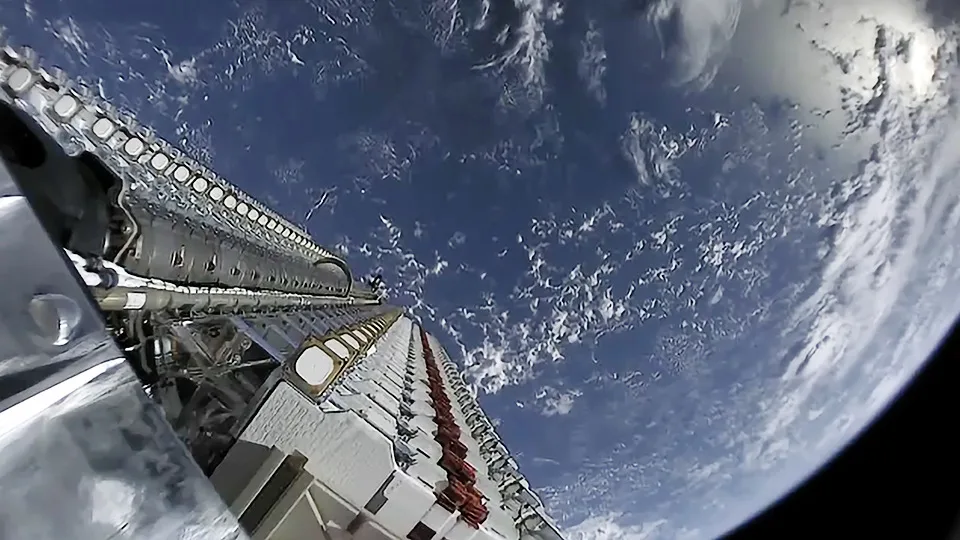
Image: SpaceX / Wikimedia Commons (CC0) · · 2 min read
The FCC authorized SpaceX to deploy up to 1 million AI chip-equipped satellites under its “Starmind” initiative, the first approval for a full AI satellite constellation.
The U.S. Federal Communications Commission (FCC) has authorized SpaceX to deploy up to 1 million satellites carrying AI chips as part of its “Starmind” initiative. The commission announced the decision on November 25, 2026. The approval is the first for a full constellation of AI satellites, meaning a network of many satellites working together as one system.
Under the conditions, SpaceX must put at least one satellite in orbit by 2033 and reach the 1 million satellite milestone by 2040. Disposal refers to what happens to a satellite once its working life ends. SpaceX asked to move satellites above 600 kilometers into so-called “graveyard orbits” instead of letting them burn up in the atmosphere. The FCC deferred that request, saying the company had not provided “sufficient information” about its disposal plans.
What Starmind is meant to do
SpaceX describes Starmind as a way to capture solar energy in space to power AI computing on Earth. The company says the satellites will send data down using high-speed lasers linked to Starlink, its satellite internet network. A laser link is a method of sending data by light beams. The chips for the satellites are planned for production at an upcoming SpaceX facility called Terafab. In effect, the satellites are meant to act as data centers in orbit.
The idea of putting computing in orbit is not unique to SpaceX. Google launched an AI server satellite in October 2026 as part of Project Suncatcher, according to reports. Blue Origin, the company founded by Jeff Bezos, is set to carry out the first dedicated heavy-lift launch for Project Suncatcher in 2029.
What comes next
The approval gives SpaceX a long timeline: the first satellite by 2033 and one million by 2040. With the disposal request still undecided, it is not yet clear how the company plans to handle satellites at the end of their life. The next steps will depend on whether the first satellite reaches orbit by 2033 and how the FCC responds to the deferred disposal request.
- #spacex
- #starlink
- #space
- #data center
- #fcc
This article was prepared with AI assistance and reviewed by an editor.
Comments (0)
- Be the first to comment.