US-based Neuralink reports FDA nod for late-stage brain implant trial in ALS
Image: Pexels · · 2 min read
Neuralink says the US Food and Drug Administration (FDA) has cleared LINK, a late-stage (pivotal) trial of its brain implant in people with ALS.
US-based Neuralink says the US Food and Drug Administration (FDA) has cleared LINK, a trial of its N1 brain implant in people with amyotrophic lateral sclerosis (ALS), a progressive disease that damages nerves and muscles. The study asks whether people left severely paralyzed by ALS can operate digital devices using only their intentions.
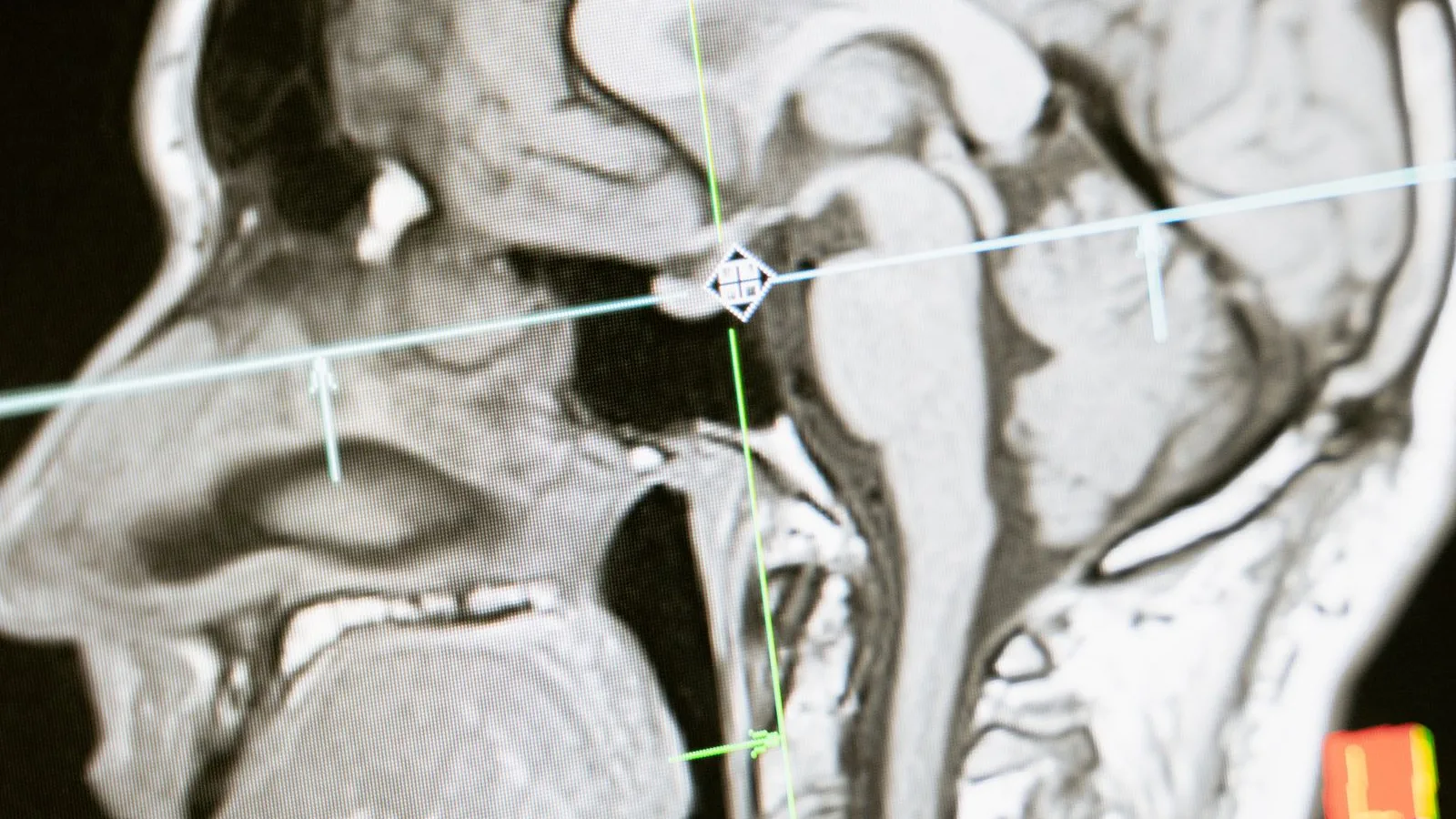
A brain-computer interface (BCI) is a system that turns brain signals directly into commands for a computer. N1 is an implant placed inside the skull, a medical device surgically inserted into the body. It records activity in the motor cortex, the part of the brain that generates movement commands. Ultra-thin electrode threads (wires that pick up electrical signals) placed in the brain detect the signals produced when someone intends to move and translate them into digital commands. Nothing sits outside the body: there are no external cables or battery. Data moves wirelessly, and the device is charged wirelessly through the scalp. Surgery is performed with Neuralink's R1 robot.
Under its PRIME program, Neuralink has implanted more than 30 people in the US, Canada and the UK. Participants used the system to move a cursor on screen, send messages, browse the web and write code. LINK is the follow-on: a pivotal (late-stage) trial. Studies of this kind measure whether a device is safe and effective for a specific use in a larger group, and the results can support later formal approval applications.
Neuralink was founded by Elon Musk, the CEO of Tesla and SpaceX. The company completed a $650 million funding round in 2025 at a $9 billion valuation, and it is one of the firms drawing large investment into brain-computer interfaces.
What the approval does not mean
FDA clearance for LINK does not mean Neuralink's implant is approved for general medical use. The device is still classified as experimental and may only be used within authorized clinical studies. So far, the information comes from Neuralink's announcement.
What the study involves
Adults with severe paralysis caused by ALS may take part. The process includes health screening, brain imaging, implant surgery, device training and follow-up assessments. After implantation, participants will be monitored for up to 24 months. Researchers will assess how reliable the device is and how much it increases users' independence in daily life.
The next concrete step is the participant application process, which Neuralink opened on November 25. The total number of participants and the centers where the study will run have not yet been announced.
- #neuralink
- #bci
- #als
- #fda
- #saglik
This article was prepared with AI assistance and reviewed by an editor.
Comments (0)
- Be the first to comment.