Huang's return to Nvidia keeps governance questions in focus
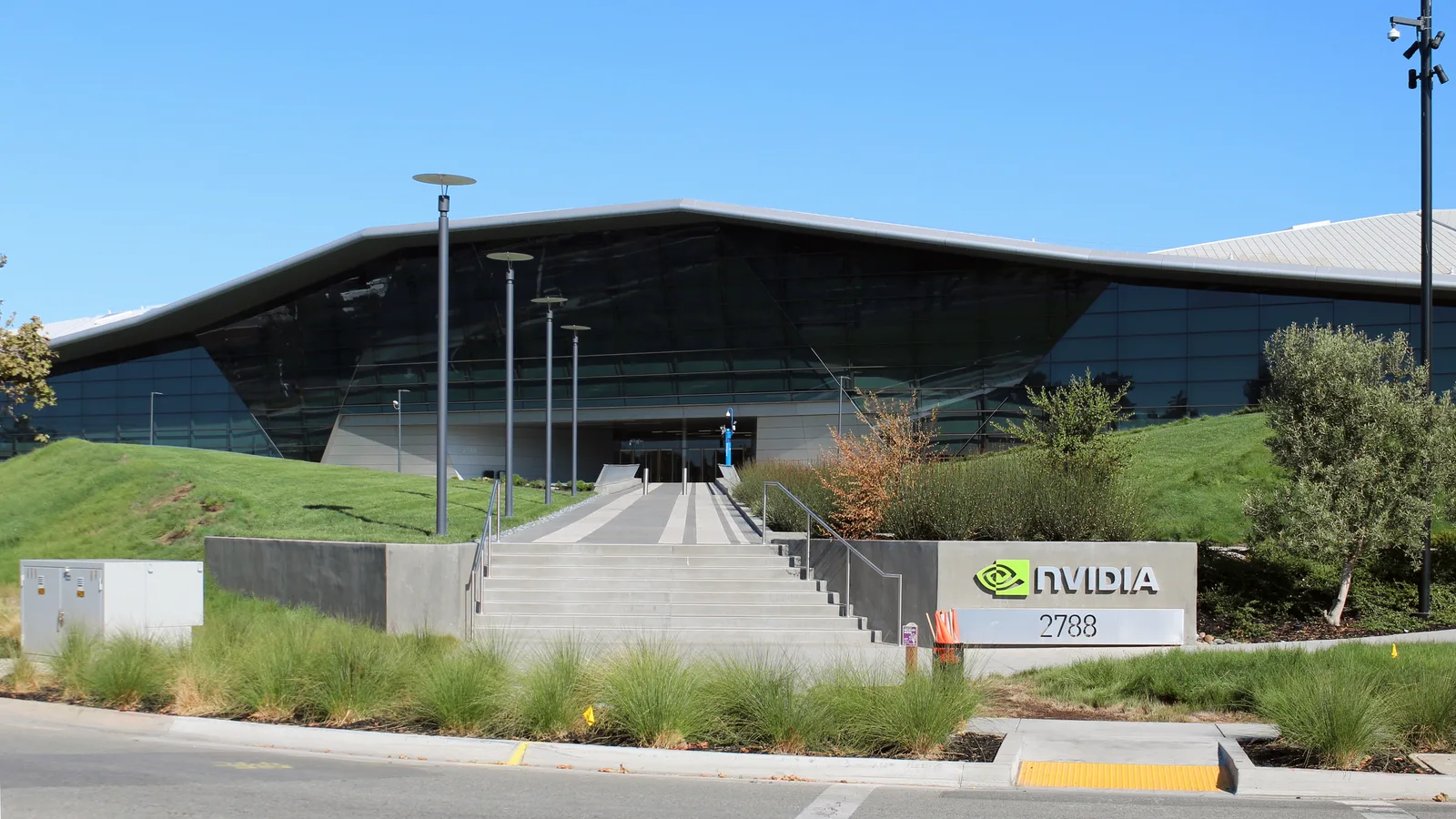
Image: Coolcaesar / Wikimedia Commons (CC BY-SA 4.0) · · 2 min read
Nvidia's board brought Jensen Huang back as CEO on November 23. Lawmakers' anger and a board of longtime allies keep questions about the company's governance open.
Nvidia's board brought Jensen Huang back as CEO on November 23. Since then, the debate has shifted from the return itself to how the company is run, who oversees it and what comes next.
Huang has led Nvidia for 33 years and owns about 3.5% of the company. Unlike founder-CEOs such as Mark Zuckerberg, however, he does not hold super-voting shares, a class of stock that carries several times the normal voting power and can let a leader override the board. A former Washington colleague of Huang said that if he were in Huang's position, his first question would be how to acquire such shares so he could overrule the board next time.
The board and the political reaction
On November 23, Trump said the Justice Department had conducted a "very extensive" review of Huang's conduct and that he had been "cleared." Lawmakers from both parties were nonetheless angry, and Huang and Nvidia's general counsel Tim Teter have reportedly been called to appear at congressional hearings. Vance was the only member of the administration to openly back Huang's return.
The board is made up largely of longtime Huang allies, with no major technology or national security figures. Huang's allies are alleged to have enlisted Trump and Vance to press the board.
Inside the company and in the market
Inside Nvidia, Huang's hands-on management style, his close control over subordinates, the support of his daughter and son-in-law, and the absence of a formal succession plan are all under discussion. A long-time employee said Huang has always managed this way and was surprised that the issue is getting so much press attention now.
A longtime associate of board chair Jones said the return would not ease concerns among the public or in the AI market. In this associate's view, the US midterm elections showed deep public skepticism toward AI, and the Huang debate masks a market consensus that debt-funded, speculative data center investments are fragile. Bernstein analysts said they were glad Huang is back, but criticized the board's on-again, off-again response, which they said raised legitimate questions about judgment and process. A major Nvidia investor said corporate governance has all but disappeared.
The congressional hearings to which Huang and Teter have been summoned are expected next week.
- #nvidia
- #jensen huang
- #governance
- #board
This article was prepared with AI assistance and reviewed by an editor.
Comments (0)
- Be the first to comment.