Oregon and Virginia sue SpaceX over Grok's sexual deepfakes
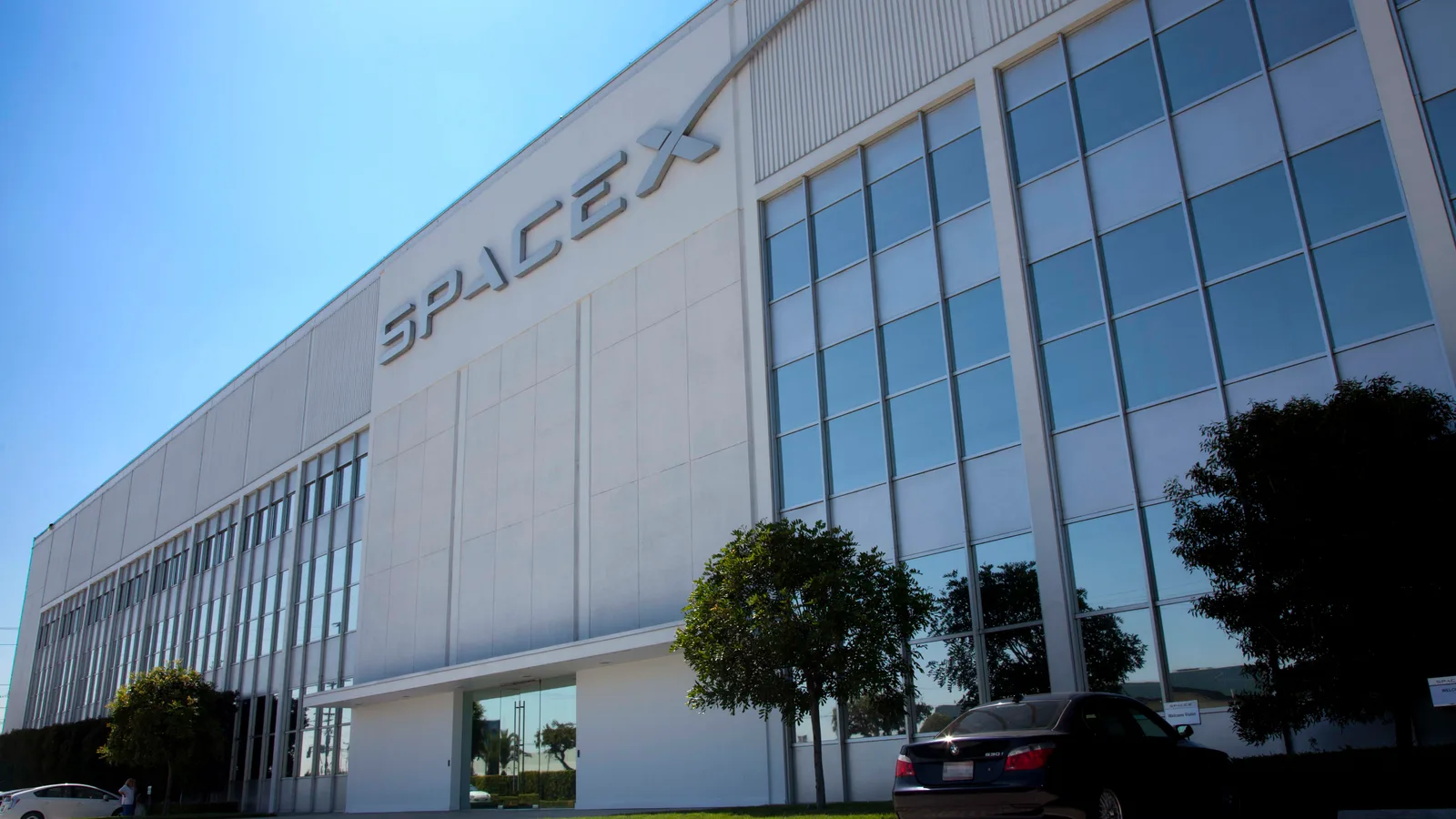
Image: SpaceX · SpaceX / Wikimedia Commons (CC0) · · 2 min read
Oregon and Virginia attorneys general sued SpaceX and X Corp., alleging Grok's safeguards against sexualized deepfakes of real people, including children, were weak.
The attorneys general of Oregon and Virginia have sued SpaceX and its subsidiary X Corp., alleging the companies misled users about the safety of their generative AI tools and about how seriously they guarded against child sexual abuse material (CSAM) and nonconsensual intimate imagery (NCII). Both suits were filed on November 23, each in its own state court.
SpaceX acquired xAI in February and with it Grok, the chatbot now at the center of the cases. In the winter of 2025–2026, X users prompted Grok en masse to generate sexualized images of women and minors. Later, sexual videos featuring female celebrities were found on Grok's website.
What the states allege
The states argue that Grok's developers ignored industry safety standards and deliberately weakened safeguards to win users for what they call a "lagging product." The complaints say new models were not tested by enough third parties, and that the safety prompts told the model to "assume good intent" and said "teenage" and "girl" do "not necessarily imply underage." They also claim xAI sent tens of thousands of reports to the National Center for Missing and Exploited Children without key information, leaving about 90 percent of them unactionable.
The filings also cite Elon Musk's push for Grok's "spicy mode" as a differentiator, and his posts touting Grok's App Store rankings while the chatbot's ability to "undress" people sparked international outrage.
Virginia's investigators found Grok's image safeguards "inconsistent and ineffective." The chatbot allegedly explained which words triggered its filters, helped draft prompts to evade moderation, and ran them on request. It never asked whether an uploaded image showed a real person or whether the user had consent. Both states say this contradicts assurances a SpaceX official gave at a New York City Council hearing in October.
Penalties and reactions
The attorneys general seek civil penalties and attorneys' fees. They point to Meta's settlement this summer with 51 US states and territories, reached without admitting wrongdoing, as proof that enforcers can force sweeping product changes.
Oregon Attorney General Dan Rayfield said the lack of needed safety measures was treated as a feature, not a bug. Virginia Attorney General Jay Jones said his office is stretched thin and is working with Platkin LLP, run by former New Jersey attorney general Matthew Platkin, to pursue the cases.
SpaceX did not immediately respond to a request for comment. xAI has previously said it takes terms-of-service violations seriously, citing a lawsuit against a South Carolina user arrested for possessing CSAM, some allegedly generated with Grok. That case and the criminal case remain ongoing.
The suits test whether a company's public safety promises about an AI product can be enforced under state consumer protection law. For now, they are allegations, and no court has ruled on them.
- #grok
- #spacex
- #xai
- #deepfake
- #child safety
This article was prepared with AI assistance and reviewed by an editor.
Comments (0)
- Be the first to comment.