At least 25 court cases in England and Wales involved undisclosed AI use in 2026
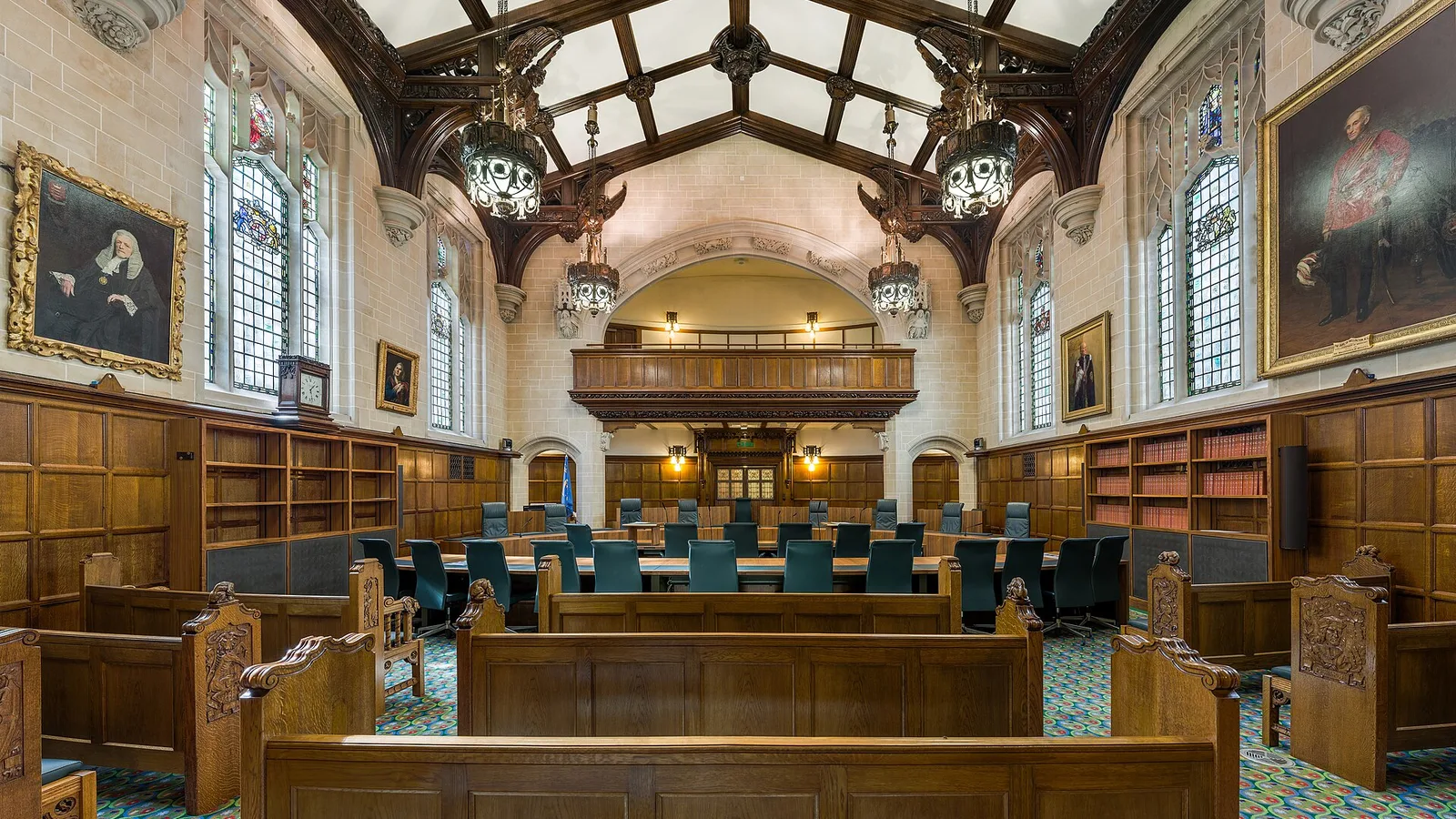
Image: Diliff / Wikimedia Commons (CC BY-SA 3.0) · · 2 min read
A review of published judgments found at least 25 English and Welsh court cases in 2026 with invented case law, AI-written witness statements or nonexistent statutes.
At least 25 court cases in England and Wales in 2026 were affected by AI use that had not been disclosed to the court, according to a review of published judgments. Judges have objected to AI-written witness statements, invented case law and statutes that do not exist.
Cases before the courts
In a High Court dispute between tax lawyers, a judge called the use of “generative AI hallucinations” unacceptable and noted references to cases that did not exist. A hallucination is when an AI model produces false information and presents it as fact.
In a $21 million (£16 million) dispute between two Nigerian oil companies, a barrister relied on a ruling supposedly issued by a senior judge. The ruling had been entirely invented by an AI tool, and the judge warned of “the dangers of relying on the product of AI without verification.”
A police officer investigating a grievous bodily harm case used Microsoft's Copilot AI assistant to draft a victim personal statement, a written account of the crime's impact on the victim. He uploaded an interview transcript and asked for the “highest sentence” and a statement that would make a judge weep. The Court of Appeal rejected the method, saying no police officer should prepare a witness statement this way, and the officer was removed from frontline duty.
Senior insolvency judge Mark Mullen found that a junior solicitor had used a chatbot to research a point of law and had taken an invented quote from a statute that does not exist. He reviewed the chat logs, called the output “nonsense” and warned that AI “has the potential to be wholly unreliable.”
Reaction from the justice system
Brett Dixon, president of the Law Society, the professional body for solicitors in England and Wales, said verbose AI-generated filings were taking up more of judges' time and undermining efforts to clear court backlogs. He contrasted three pages of a lawyer's own judgment with “a rambling 60 pages from a commercial AI.”
Lord Sales, a justice of the UK Supreme Court, said in November that the court was “increasingly concerned” about AI. He warned that the greater long-term danger is that people gradually lose the ability to tell when the technology has got an answer wrong.
In October, the Civil Justice Council recommended that witnesses of fact sign a declaration confirming that the substance of their statements was not generated or influenced by an AI tool. Its working group, led by Sir Colin Birss, the second most senior judge in England and Wales, also called for urgent guidance for litigants in person.
A Ministry of Justice spokesperson said the government is taking steps to keep AI use in courts safe, appropriate and properly controlled. It cited more judges and legal officers, modern case management systems and remote hearing technology. The published statement gives no timetable for the Council's recommendations.
- #hukuk
- #mahkeme
- #halusinasyon
- #ingiltere
This article was prepared with AI assistance and reviewed by an editor.
Comments (0)
- Be the first to comment.