Climate AI trained on unrealistic emissions scenarios gives more reliable forecasts
Image: Wikimedia Commons (CC BY-SA 4.0) · · 1 min read
Researchers at MIT, ETH Zurich and Imperial College London built a way to train climate AI on extreme CO2 and methane scenarios. The team says one simulation run is enough.
Researchers from MIT, ETH Zurich and Imperial College London have developed an algorithm that makes training AI climate models faster and more reliable. Instead of realistic future pathways, the method uses synthetic scenarios with extreme swings as training data. The team says a single simulation run is enough for training.
The bottleneck in climate AI
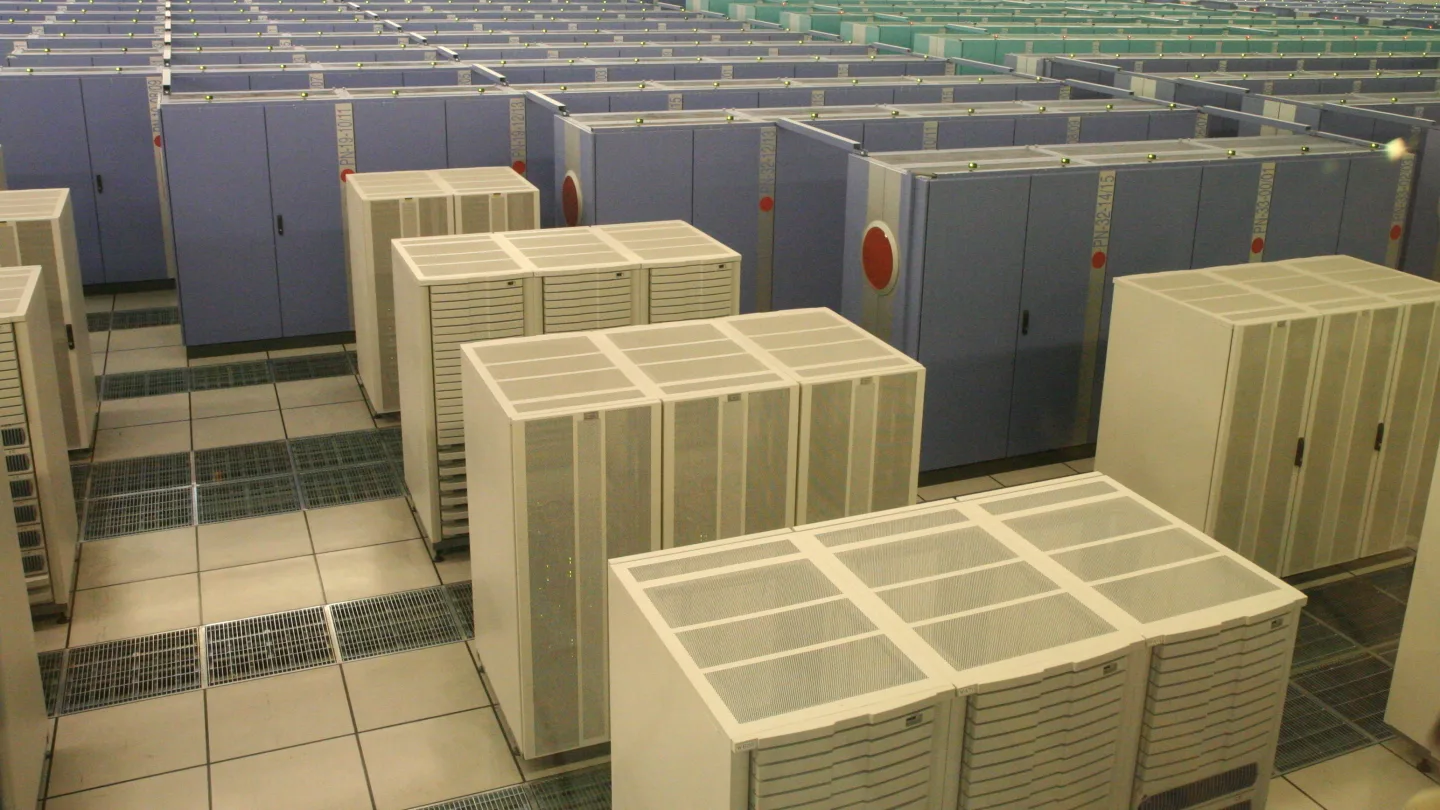
Climate projections are typically based on large, physics-based simulations, and a single scenario can take months to run on a supercomputer. Faster AI models, known as climate emulators, have emerged as an alternative. They learn to mimic these simulations and return results in seconds, and they can help plan power grids, public health measures and agriculture.
Until now, training an emulator required six to eight runs of those large simulations, using evenly distributed, realistic future scenarios. The process took so long that the finished models were often outdated, according to co-author Noelle Selin. The models also frequently failed in situations they had not encountered before.
Learning from extremes
The new algorithm builds its training data from synthetic scenarios with sudden changes instead. Examples include a sharp spike in carbon dioxide (CO2) in 2050 or a drop in methane, a potent greenhouse gas, in 2037. According to lead author Christopher Womack, these targeted spikes help the AI grasp the climate system far more precisely.
The team adds that the method does more than shorten training. The trained AI can also reliably calculate the effects of local environmental policies. Such models produce projections within seconds for uses like power grid, public health and agriculture planning. The reliability claims currently rest on the team's own account.
- #climate
- #mit
- #eth zurich
- #synthetic data
This article was prepared with AI assistance and reviewed by an editor.
Comments (0)
- Be the first to comment.