Major US banks are shutting the door on third-party AI agents
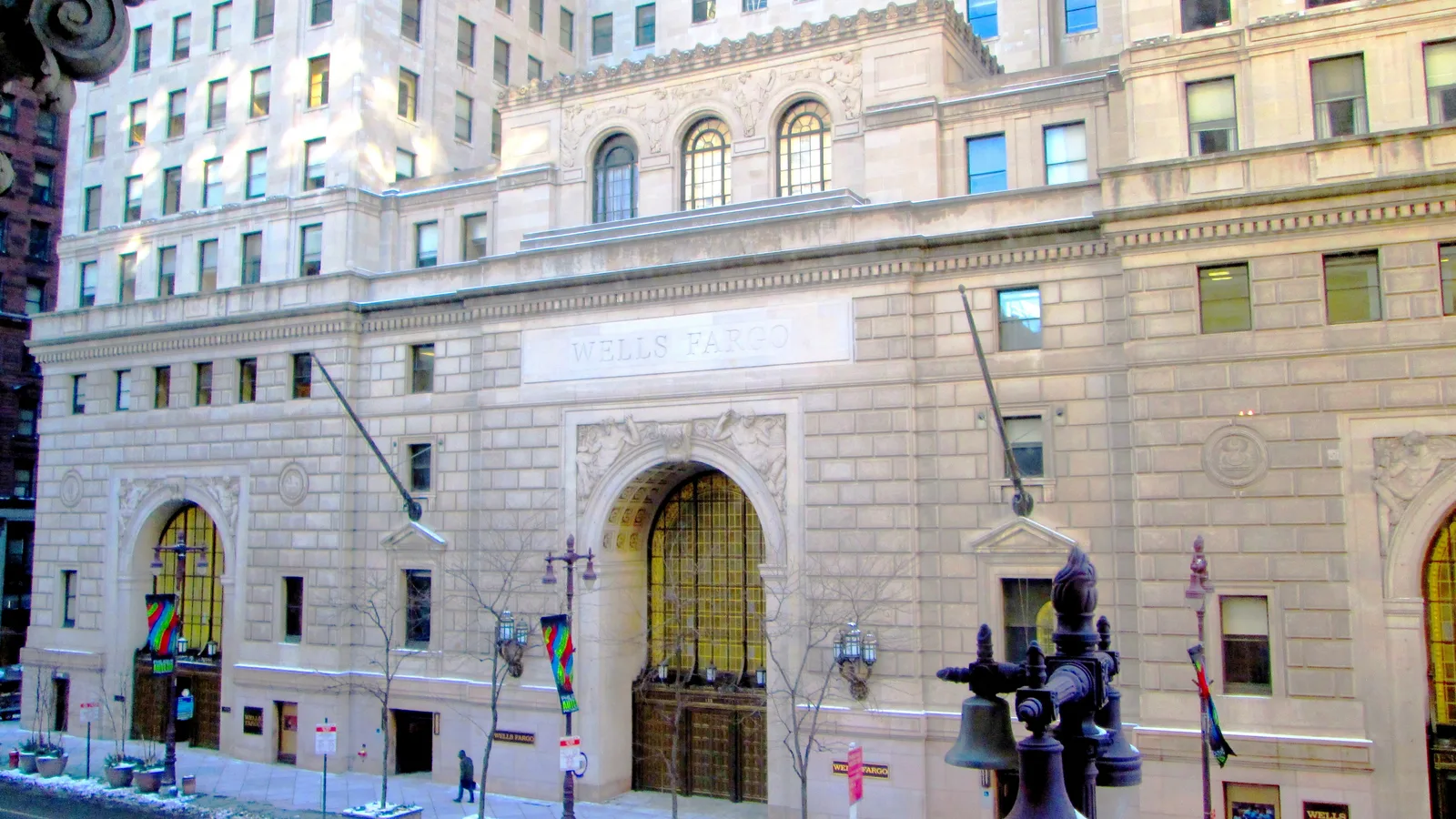
Image: Wells Fargo · Beyond My Ken / Wikimedia Commons (CC BY-SA 4.0) · · 2 min read
Wells Fargo, JPMorgan Chase and other large US banks are restricting outside AI agents from customer accounts, leaving users to bear the cost of agent mistakes.
AI agents, the software that clicks through websites on a user's behalf to shop, pay bills or start transactions, are running into resistance from major US banks. Some have banned outside agents from customer accounts, while others warn customers that using them is entirely their own risk.
In late October, JPMorgan Chase changed its terms to prohibit third-party agents that log in with a customer's credentials. The same day, Bank of America advised customers not to share their login information with agents. Citibank and PNC have also added agent-related warnings to their terms.
Wells Fargo has taken a different approach. Its agreement with millions of customers is updated on Tuesday, November 24, with new terms on AI agents. They state plainly: "Your use of any AI Agent is AT YOUR OWN RISK."
Who pays for the mistakes?
The friction comes from automation, the very feature agents are sold on. Researchers who study consumer behavior note that people give agents a goal, not approval for every click. When something goes wrong, responsibility quickly becomes unclear. If an agent accidentally orders ten times the groceries you needed, the retailer may say it completed a valid order, the AI company may point to its disclaimers, and the bank is making clear it does not want to carry the loss either.
Some card issuers are taking a more protective approach. American Express has reportedly said that some agent mistakes, such as ordering too many units of an item, could become eligible for reimbursement through the card provider if a customer cannot get their money back from the retailer. Banks are also building their own agents. Wells Fargo's generative AI assistant has reportedly been used more than a billion times, and Bank of America has revamped an agent that helps its employees.
The same tension is visible in online shopping. Amazon has reportedly blocked Meta's Muse agent from making purchases on its platform, and United has said personal bots will not be allowed to book flights on a customer's behalf.
For readers, the takeaway is simple. When you hand a task to an agent, you may also be handing over the cost of its mistakes. Before linking an agent to a bank account, know what permissions it has and how to revoke them.
- #ai agents
- #banking
- #fintech
- #consumer rights
This article was prepared with AI assistance and reviewed by an editor.
Comments (0)
- Be the first to comment.